
How Do You Market a Fishing Charter to Fill More Trips?
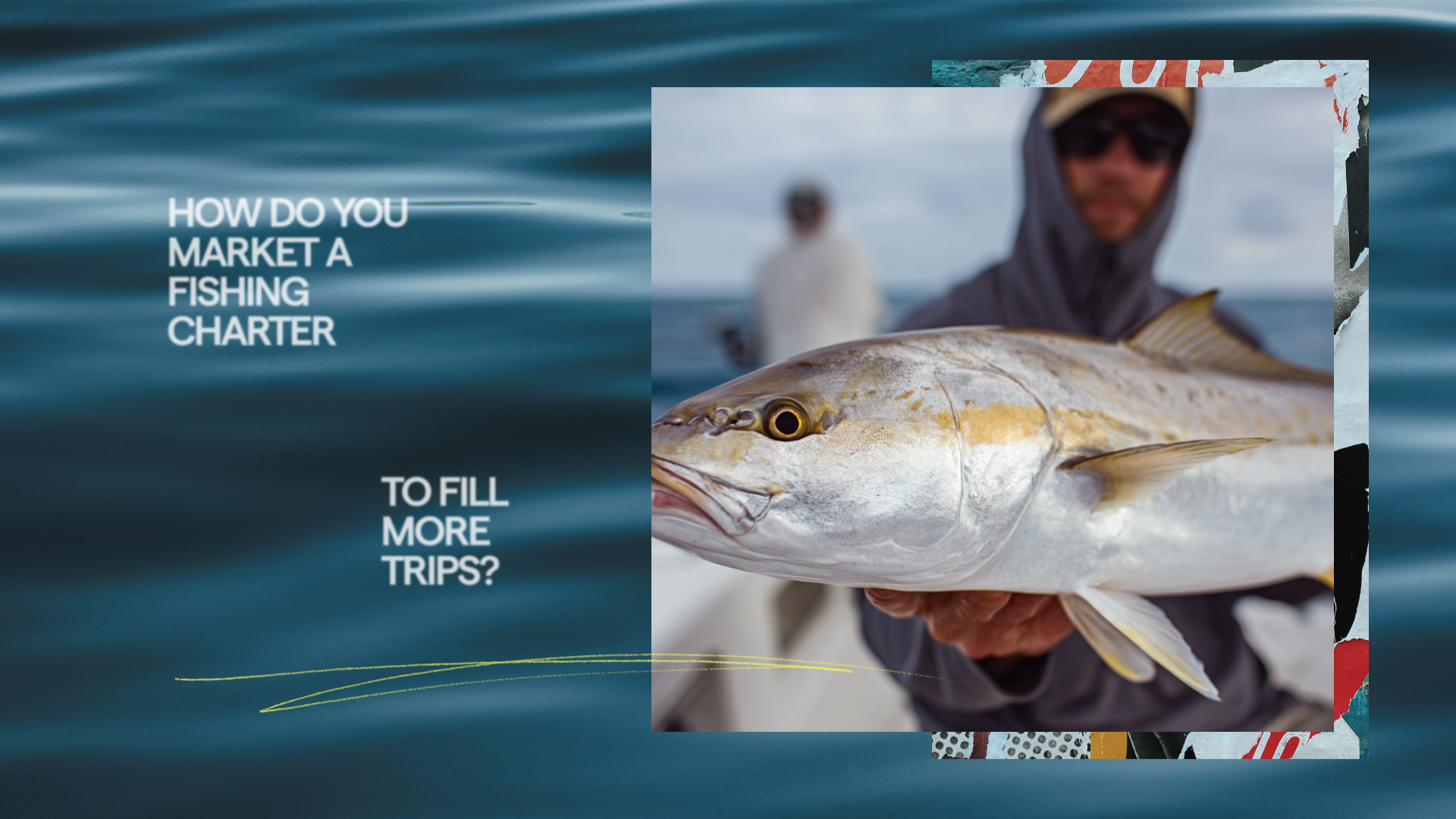
You market a fishing charter by building a professional online presence, making it easy for people to find and book you, and showing up consistently where your ideal clients are already looking.
Fishing charter marketing doesn't need to be complicated. But it does need to be intentional. The captains who stay booked have built a simple system that works whether they're on the water or not.
Good Drift works exclusively with fly fishing businesses, including guides, charters, lodges, and fly shops. Charter captains are some of the busiest people we talk to. They don't have time to figure out marketing from scratch.
Here's what actually works.
Why Most Charter Captains Market Backwards
The most common mistake we see with fishing charter marketing is starting with ads.
A captain hears that Google Ads can fill trips. So they throw $300 or $500 a month at it. Maybe they get some clicks. Maybe even a few bookings. But the math never quite works out, and they're not sure why.
Usually, the problem is underneath the ads. The website doesn't load well on a phone. There's no clear pricing or trip info. The photos are ten years old. There's no easy way to book or even send a message.
Ads bring people to your door. But if what they find when they get there doesn't look right, they leave. And you've paid for every one of those clicks.
The better approach is to build in layers. Start with a professional website that clearly explains what you offer. Get your Google Business Profile set up and active. Build some trust through content and reviews. Then, once those pieces are working, ads become a multiplier instead of a money pit.
The Two Types of Clients Every Charter Needs to Reach
Most fishing charter marketing advice treats all potential clients the same. They're not.
Charter captains generally serve two distinct groups, and each one finds you differently.
Destination anglers are planning a trip to your area. They're researching online weeks or months in advance. They're searching things like "best fishing charters in [your city]" or "inshore fishing [your area]." They're reading reviews, comparing websites, and checking social media to see what the experience looks like. For these clients, your website and Google presence do the heavy lifting. They'll never drive past your dock or hear about you from a local friend. Your online presence is the only thing they have to go on.
Local and repeat clients already know your area. They might have fished with you before, or they heard about you from someone at the marina. For these folks, staying top of mind matters more than being discovered. Email newsletters, social media, and a simple referral program keep you in front of them. A past client who had a great time is your best marketing asset, but only if you give them a reason to come back and an easy way to refer others.
Most captains lean too heavily toward one group or the other. The ones who fill their calendars consistently are marketing to both.
The Marketing Channels That Actually Fill Charter Trips
Here's where to put your time and energy, in order of priority.
Your website is the foundation for both groups. It needs to answer every question a potential client would have before booking: species you target, trip lengths and pricing, what's included, where you launch from, and how to book. Real photos from recent trips. Fast on a phone. If someone has to dig through your site to find your rates or phone number, you'll lose them regardless of how they found you.
After that, the strategy splits.
Reaching destination anglers. These clients are finding you through search, so your Google Business Profile and SEO do the heavy lifting. When someone searches "fishing charter near me" or "inshore fishing [your area]," your GBP listing is often the first thing they see. Fill it out completely. Add photos regularly. Post updates when you have open dates.
Reviews are critical here too. Destination clients have no personal connection to you. They're relying on what other people say. Ask every client to leave a Google review the same day they fish with you. Make it easy with a direct link via text or email.
Publishing fishing reports and local content helps you rank for the long-tail searches destination anglers use when researching a trip. "What's biting in [your area] right now" or "best time to fish [your water]." A charter captain who publishes regular reports ranks for dozens of these terms. A static five-page website ranks for almost none.
Google Ads fit here too, especially during peak booking season. They work well for charters because destination anglers are searching with high intent. But ads belong after your website, GBP, and reviews are solid. Not before.
Keeping local and repeat clients. These people already know you exist. The job is staying top of mind so they book again and refer their friends.
Email is the most valuable channel here. Collect an address from every client. A simple monthly update with recent catches, open dates, and seasonal info drives repeat bookings without any ad spend. Short, personal, and consistent beats polished and sporadic.
Social media serves this group well. Post catches, share client photos, show what a day on your boat looks like. You're not trying to go viral. You're staying visible to the people who already follow you so that when they're thinking about their next trip, you're the first name that comes to mind.
How to Stop Giving 20% to Booking Platforms
A lot of charter captains rely heavily on third-party booking platforms. These platforms have their place. They can bring in clients you'd never reach on your own, especially early on.
But the commissions add up. If you're giving away 15-20% of every trip booked through a platform, that's a significant cut over a full season.
The goal isn't to abandon those platforms overnight. It's to gradually build your owned marketing so more bookings come directly through your website, your email list, and your Google presence.
Every direct booking is a client whose email you own, whose review goes on your Google profile, and who can refer friends straight to you next time. Over a season, shifting even a third of your platform bookings to direct bookings changes your margins and gives you more control over your business.
That shift doesn't happen through ads. It happens through the foundational marketing work: a good website, strong local SEO, active content, and a growing email list.
Fill Your Calendar on Your Terms
Fishing charter marketing isn't about doing more. It's about doing the right things in the right order, and sticking with them.
Start with the foundation. Build your online presence so it matches the quality of the experience you deliver on the water. Then layer in the channels that keep you visible and booked.
If you're not sure where to start or what to fix first, Good Drift can help. We work with fishing businesses every day, and we'll give you a straight answer about what actually needs attention.
